
Cheap digital marketing services may look affordable at first, but the hidden costs can quickly outweigh any savings.
Using ultra-low-cost solutions across web development, SEO, advertising, content, and automation may save money upfront, but evidence shows it often leads to serious pitfalls. Below we break down the risks in each area, supported by recent data, case studies, and expert insights.
Web Design & Development Pitfalls
Cheap web design (e.g. off-the-shelf templates or unskilled freelancers) can result in bloated code, poor UX, and sites that don’t scale. For instance, templates are “designed to be everything to everyone” – the result is “a bloated mess of code, features you don’t need, and load times that make Google roll its eyes”. Such bloated code hurts performance and mobile load times, which in turn damages SEO and conversions . User experience also suffers: one analysis notes 88% of online consumers are less likely to return after a bad UX . First impressions count – 75% of users judge a company’s credibility by its website design – so a cheap, poorly designed site can erode trust immediately.
Beyond performance, low-cost builds often lack scalability and maintainability. Many $500 “budget” sites are built just for today’s needs, with messy, inflexible code that makes adding new features difficult without a major overhaul. Business owners who cut corners here often end up paying to rebuild from scratch later, meaning that initial “savings” was just a temporary Band-Aid. In short, templates and bargain-basement sites are a false economy: they might be cheap now but “a custom site might cost more upfront, [and] it saves you headaches (and money) in the long run”*. The hidden costs of cheap web development – from slow speeds to high bounce rates and even security risks** – ultimately outweigh the upfront savings.
Application Development Risks Hiring
Hiring the cheapest app developers or coders can jeopardize software quality and future stability. “Cheap code — code written without proper attention to design, maintainability, or scalability — can become a costly burden over time,” as one 2024 software engineering analysis explains. In practice, rushed or low-quality code leads to high technical debt: future changes become harder and more expensive. Many shortcuts (like hard-coded values or minimal testing) that save money now will *“lead to compounding costs that outweigh the initial savings”. For example, an app built quickly on outdated frameworks might work today but break with the next OS update – with no maintenance in the contract, you’re stuck footing the bill to fix it.
Lack of maintenance and support is a common issue with bargain development. If the developer disappears after delivery, your app may become incompatible or insecure as platforms evolve. In fact, Apple has begun removing apps that aren’t updated – as of 2022, apps not updated in 3+ years are flagged for App Store removal if not fixed within 90 days. This means a neglected app could vanish from the store entirely. Industry guidelines suggest budgeting ~15–20% of the initial development cost per year for maintenance; many cheap projects include no such support, leaving you vulnerable. The bottom line: poor code quality and no maintenance plan can lead to expensive rewrites and failures. As a Medium tech article put it, technical debt from cheap practices “accumulates interest, making future development harder and more expensive”* – ultimately, you’ll “buy cheap, buy twice.”**
SEO Dangers of Cheap Digital Marketing Service

Low-cost SEO packages often rely on outdated or black-hat tactics that threaten your search visibility. Common tricks include keyword stuffing, spammy link schemes, or using duplicate content – exactly the behaviors that Google’s algorithms punish. In fact, the three most common causes of Google search penalties are link schemes, thin/duplicate content, and keyword stuffing. Cheap SEO providers frequently engage in these to show quick gains, but the result can be devastating: Google’s “Penguin” algorithm will flag manipulative backlinks and drop your rankings, and its “Panda” algorithm demotes sites with plagiarized or low-quality content . “Website owners are lured into cheap SEO schemes only to discover the damage done by unscrupulous link building,” warns an industry guide. Search engines actively hunt paid link networks and can even apply manual penalties, causing your site to disappear from results overnight.
Recovery from an SEO penalty is neither cheap nor quick – experts note it can take weeks of work to have a spam penalty lifted (removing bad links, disavowing domains, rebuilding content). Many businesses never fully recover. Additionally, duplicate or copied content can nullify your SEO efforts. Google “hates content thieves” – if your cheap SEO or content vendor simply copies material, you’re at risk. Even if not an official penalty, search engines won’t know which site is original and thus won’t know whom to rank, often dropping both. Case in point: a study found dozens of cheap template websites all using the same text; none of them could rank well, and they even risked legal action for copyright infringement. Legitimate SEO takes investment – *Google’s own webmaster guidelines warn that “buying backlinks is a dangerous and unpredictable business… resist temptation and avoid buying backlinks”, because the long-term fallout can obliterate your search presence.
Paid Ads: Wasted Spend and Policy Violations
Entrusting your Google Ads or Facebook Ads to the lowest bidder can result in wasted budget, poor targeting, and even account bans. Analysis by Forrester Research estimates 37% of ad spend is wasted due to imprecise targeting, often from overly broad or unoptimized campaigns. Inexperienced or low-quality ad managers might not refine audience settings or keywords, meaning a big chunk of your PPC budget shows ads to the wrong people (who never convert). In fact, audits show 30–40% of small business PPC budgets are routinely wasted in poorly managed accounts. This wasted spend is essentially money down the drain. Worse, low-quality campaigns tend to have low click-through and engagement, which platforms penalize by raising your cost per click (since ads with poor performance get lower quality scores). So you end up paying more for fewer results due to the manager’s incompetence.
Cheap providers may also cut corners with platform policies, putting your accounts at risk. Google Ads, for example, has strict rules – “Violations of any Google Ads policy can lead to an account suspension”, and some offenses (like “circumventing systems”) are so severe that 85% of suspended accounts for that violation are never reinstated. If a budget agency uses banned tactics (e.g. cloaking, using fake business info, or violating ad content policies), you could wake up to find your entire Google Ads account suspended – a nightmare scenario for any business that relies on paid search leads. Even without a ban, poorly written ads can be disapproved (wasting time) or simply not attract clicks. Meanwhile, poor budget management can burn through your spend with little ROI. For instance, one veteran PPC consultant notes many small companies unknowingly blow chunks of budget on broad keywords or non-converting placements, missing out on better opportunities. The lesson: effective ads require skill. A “too-goodto- be-true” cheap ads service might not understand nuanced targeting or compliance – and 37% of your spend going up in smoke is a high price to pay for “low cost” help.

Social Media Management Shortcomings
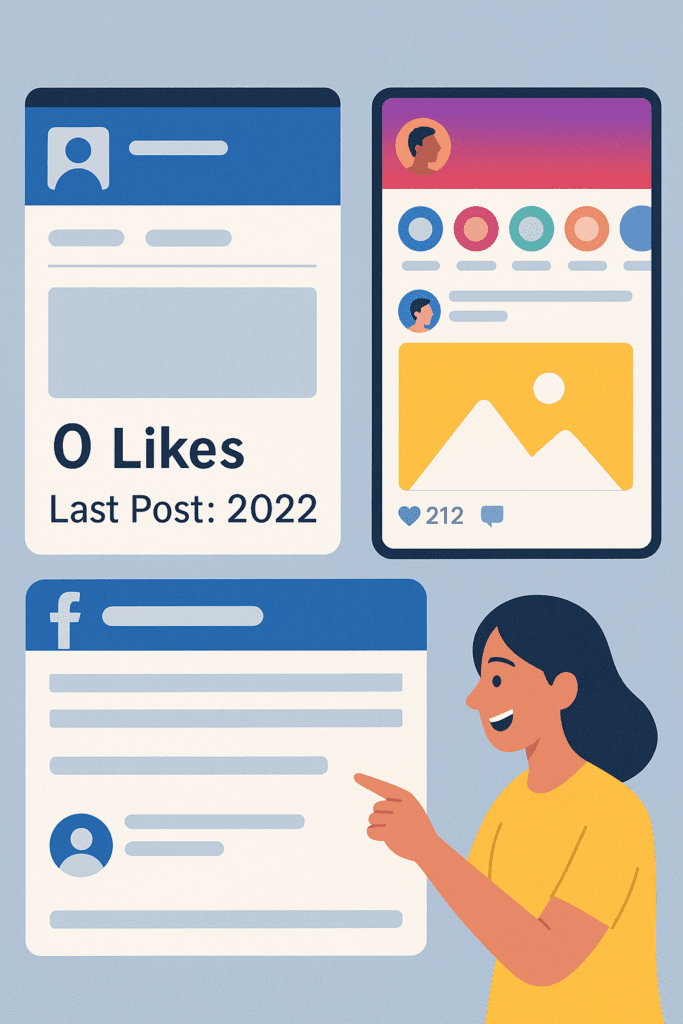
Outsourcing social media to a bargain provider can lead to a lack of strategy, low engagement, and offbrand messaging. Many small businesses post without a cohesive plan, leading to random results with no real growth or engagement. Cheap social media management often means someone is just scheduling generic posts to “check the box,” rather than executing a tailored strategy. The result is usually poor audience interaction – e.g. the average Facebook page post gets only ~0.06% engagement, and without creative strategy, you’ll sit at the bottom of that range. Inexpensive providers also may not capture your brand’s voice or values. In fact, experts warn that using an outside agency should “not drown out the authentic brand voice”, yet budget services juggling many clients often resort to cookie-cutter content that doesn’t resonate with your followers. This can even harm your brand image – substandard, off-brand content can drive away followers and damage perception.
Another risk is poor community management and customer care on social channels. Consumers today expect swift responses – nearly 40% of consumers want a response on social within 1 hour, and 79% expect one within 24 hours. A low-cost service might ignore comments or fail to handle customer inquiries promptly, leading to frustrated fans. Missing a trending issue or mismanaging a complaint publicly can spiral into PR issues. And if the person handling your account isn’t experienced, you risk gaffes (like inappropriate posts or replies) that can go viral for the wrong reasons. Finally, lack of strategic planning means missed opportunities: trends, algorithm changes, and analytics insights might go unnoticed. The outcome of “cheap” social management is often an anemic social presence – lots of posts, but no meaningful engagement or growth. As one Forbes piece bluntly titled it, “Lack of social media strategy [is] killing your business,” warning that inconsistent branding and no plan will simply cede the field to competitors. In short, if you pay peanuts for social media, you’ll likely get monkey-level results.
Content Writing Concerns (AI and Plagiarism)
Content is a cornerstone of digital marketing – and cutting costs here can be especially dangerous. Many cheap content providers churn out AI-generated or outright plagiarized content, which poses both SEO and legal risks. With the rise of AI, Google has updated its quality guidelines in 2025 to explicitly target loweffort AI content. Google now instructs its quality raters that if a page’s main content is “auto or AI generated… with little to no effort, little to no originality, and little to no added value,” it merits the lowest quality rating. In other words, pages filled by a cheap AI content mill, without human refinement, are at serious risk of being deemed “lowest quality” by Google. That translates to poor rankings or outright suppression by algorithms aimed at “helpful content.” Cheap providers may not have skilled editors to fact-check or improve AI text, resulting in error-filled or generic articles that hurt your credibility.
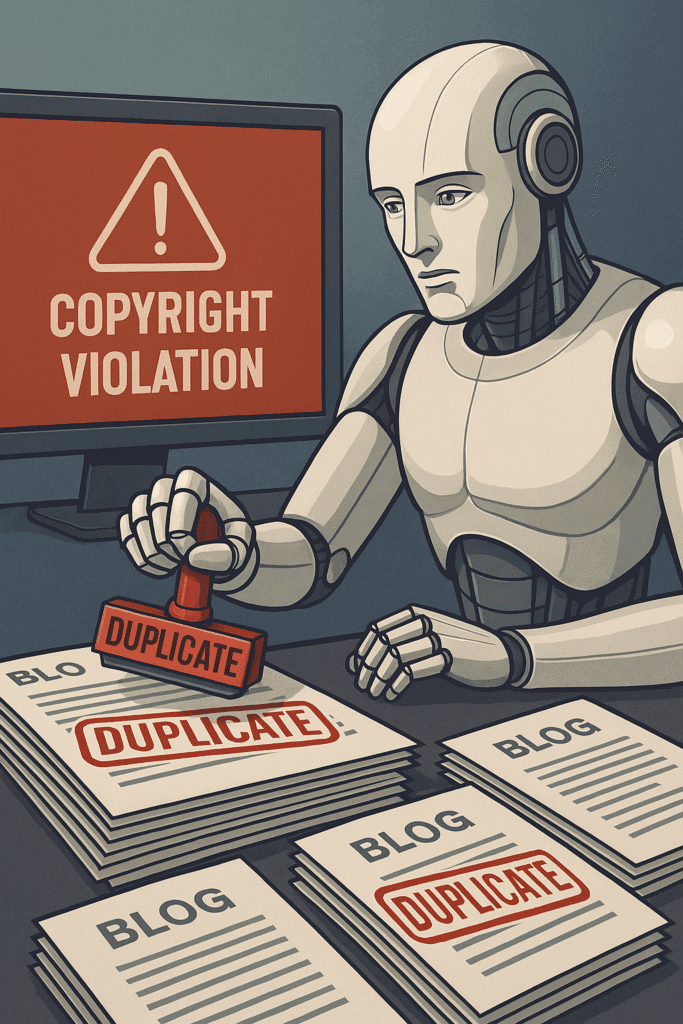
Plagiarized or spun content is equally problematic. Aside from the ethical issues, duplicate content can tank your SEO – search engines get confused about which site is original and often rank neither well 24. More seriously, plagiarism can lead to legal trouble (copyright infringement) and severely damage your brand’s reputation. One marketing study found that most duplicate content and plagiarism problems showed up in “low cost” website content packages . These templated sites reused text across dozens of clients, resulting in “cookie-cutter content” that violated Google’s quality rules and provided zero uniqueness for the business . The outcome? At best, none of those sites could rank due to duplicate content; at worst, the business could be penalized or even sued. As a marketing CEO put it, “Plagiarism is illegal, unethical and bad for business. Buying an inexpensive template…often means buying into duplicate content problems. And the penalty is…your website listing disappears from view.”. In summary, ultra-cheap content writing might save a few bucks, but you risk publishing content that users and search engines alike will consider garbage – or worse, grounds for penalties. High-quality, original content is an investment; there’s truth to the adage, “you get what you pay for,” especially here.
CRM and Automation Failures
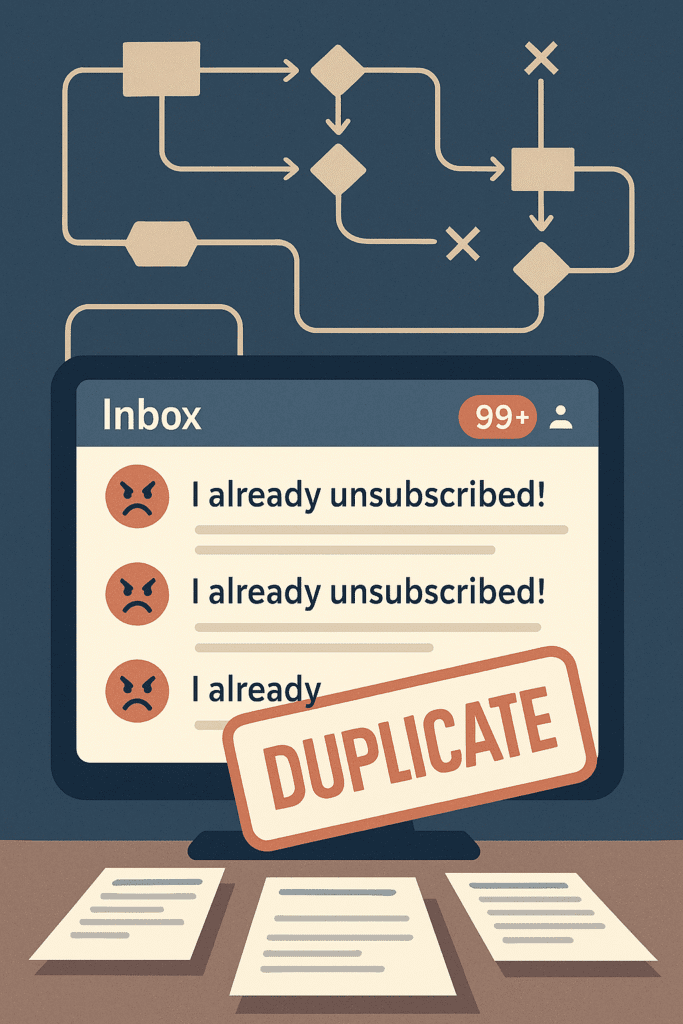
Customer Relationship Management (CRM) systems and marketing automation are powerful – but a poorly implemented, cheap setup can wreak havoc on your operations and compliance. Common issues include broken workflows (e.g. leads not being followed up properly, or prospects receiving the wrong automated messages) and data mismanagement. Remember, a CRM touches your customer data; if a budget provider sets it up incorrectly, you could lose track of leads or irritate customers with redundant/incorrect outreach. In fact, CRM projects in general have high failure rates – anywhere from 20% to 70% of CRM implementations fail to meet their objectives , often due to lack of proper integration or user adoption. A cut-rate implementation increases those odds: you might end up with a fancy tool that your team finds clunky (and thus doesn’t use), or that doesn’t sync with your website, emails, or e-commerce platform. The result is wasted software spend and fragmented customer info.
Even more critically, automation mishaps can lead to compliance violations. Improperly configured email automation or CRM rules can, for example, continue emailing people who have unsubscribed or who never gave consent – directly breaching laws like GDPR or CAN-SPAM. Case in point: in 2022, Royal Mail in the UK accidentally sent marketing emails to 213,000 customers who had opted out, due to a misconfigured automation that failed to exclude the do-not-contact list . They self-reported the issue and were fined £20,000 by regulators . While £20k seems small next to tech-giant fines, for a small business that kind of fine (and the reputational damage of spamming customers) is very painful. Other companies haven’t been so lucky – a telecom firm in Italy was fined €17 million for unlawful marketing practices where they sent ads without consent and even made it hard to unsubscribe . These are the kinds of mistakes that a knowledgeable (and adequately funded) team would avoid. Also consider data protection: a shoddy CRM setup might not securely handle customer data or honor deletion requests, risking breaches of privacy laws. GDPR fines can be massive – up to €20 million or 4% of global revenue for serious infractions . And using a third-party service doesn’t absolve you: your company is still responsible for what a vendor does with your customer data .
In essence, cheap CRM/automation work can lead to broken customer experiences at best, and regulatory fines at worst. Broken workflows might mean leads falling through cracks or customers getting mistargeted, hurting sales. And compliance lapses – say, not properly capturing consent or allowing opt-outs – can cost far more than you saved. With automation especially, “garbage in, garbage out” holds true: an unqualified implementer might create a mess that requires expensive consultants to untangle later. It’s wiser to invest in doing it right, since your customer data and trust are on the line.
Conclusion: Pay Now or Pay (More) Later
Across these facets of digital marketing, the pattern is clear: ultra-cheap services often come with hidden costs that emerge down the road. Whether it’s a website that loads slowly and deters 90% of visitors, an app that breaks with the next update, SEO “tricks” that get you penalized, ad spend poured into a black hole, cringe-worthy social content, plagiarized blog posts, or a misfiring email sequence – the short-term savings pale in comparison to the long-term fallout. In 2024–2025, consumers and platforms alike are less forgiving of low quality. Digital marketing is a competitive arena, and cutting corners usually means cutting your own results. The data and cases above reinforce a crucial point: investing in skilled work and quality tools is not just prudent, it’s necessary to protect your brand’s growth, reputation, and ROI. As one agency put it, templates and cheap fixes are a “false economy” – you might save a buck today, but you’ll likely pay many more tomorrow to repair the damage. In the end, committing to quality is the more cost-effective (and success-guaranteeing) strategy.
Ready to Invest in Marketing That Actually Works?
Stop letting cheap shortcuts drain your resources and damage your brand. Tatak Mo is here to help you build a strong, resilient digital presence that drives growth.
Book Your Free Strategy Consultation »Sources:
The claims above are supported by industry research and expert commentary, including statistics on user behavior and credible case studies (e.g. Google penalty analyses, ad spend audits, GDPR enforcement cases, etc.), as cited in the text.
- Why We Don’t Use Templates (And Why You’ll Thank Us Later)
- The Hidden Costs of Cheap Web Development: What $500 Websites Actually Cost You – WzTechno
- 42+ Statistics About Websites Business Must Know For 2024
- Why Cheap Code Is Expensive: The Hidden Costs of Poor Software Practices | by Alyaa Talaat | Medium
- Apple explains why it will remove outdated apps from its App Store removal – gHacks Tech News
- Understanding App Maintenance Costs in 2025
- How to avoid Google penalty in 2024 and drive traffic
- Link Building – How backlinks can help or harm your website – Majestic
- Website Recovery from Google Penalties: A Complete Guide
- Avoiding Google’s Plagiarism Penalties | Healthcare Success
- The Hidden Costs of Poor Ad Targeting (and How to Fix It)
- PPC Audit Tools: The Hidden Secrets to Cutting Wasted Ad Spend …
- Google Ads account suspensions overview
- Circumventing Systems Policy: Google Ads Account Suspended
- Social Media Expertise | Social Media Should Be Part Of Your Marketing Strategy – InSync Media Marketing Agency
- 100+ Social Media Marketing Statistics for 2024 | Sprinklr
- Nearly 40% of small businesses have no social media marketing strategy – Agility PR Solutions
- Warning: These 19 Mistakes Will Destroy Your Digital Marketing | Pepper Content
- How to Be Better Than Everyone Else at Social Media
- AI-generated content on Google’s radar // We Create Digital
- How Content Plagiarism Can Affect Websites & Avoid It
- Key CRM Statistics for 2025: Market Trends, Adoption, and Impact
- 5 biggest email marketing fines from non-compliance | The EmailOctopus Blog
- What are the GDPR Fines? – GDPR.eu