
In today’s crowded digital space, content marketing for wellness brands has become essential for standing out…
and delivering genuine value. Whether you’re a health coach, naturopath, fitness instructor, spa owner, or holistic practitioner, the wellness industry is booming. According to Statista, the global market is valued at over $5.6 trillion, and this rapid growth has fueled intense competition. A well-structured content marketing strategy is no longer optional—it’s essential for long-term success.
This guide explores why content marketing is critical for wellness brands, outlines its foundational pillars, highlights effective content types, and offers a step-by-step framework for planning and executing a high-impact strategy.
Why Content Marketing for Wellness Brands Matters in Today's Industry
Content marketing is more than just publishing articles or posting on social media. The Content Marketing Institute (CMI) defines it as “a strategic marketing approach focused on creating and distributing valuable, relevant, and consistent content to attract and retain a clearly defined audience—and, ultimately, to drive profitable customer action” (Content Marketing Institute).
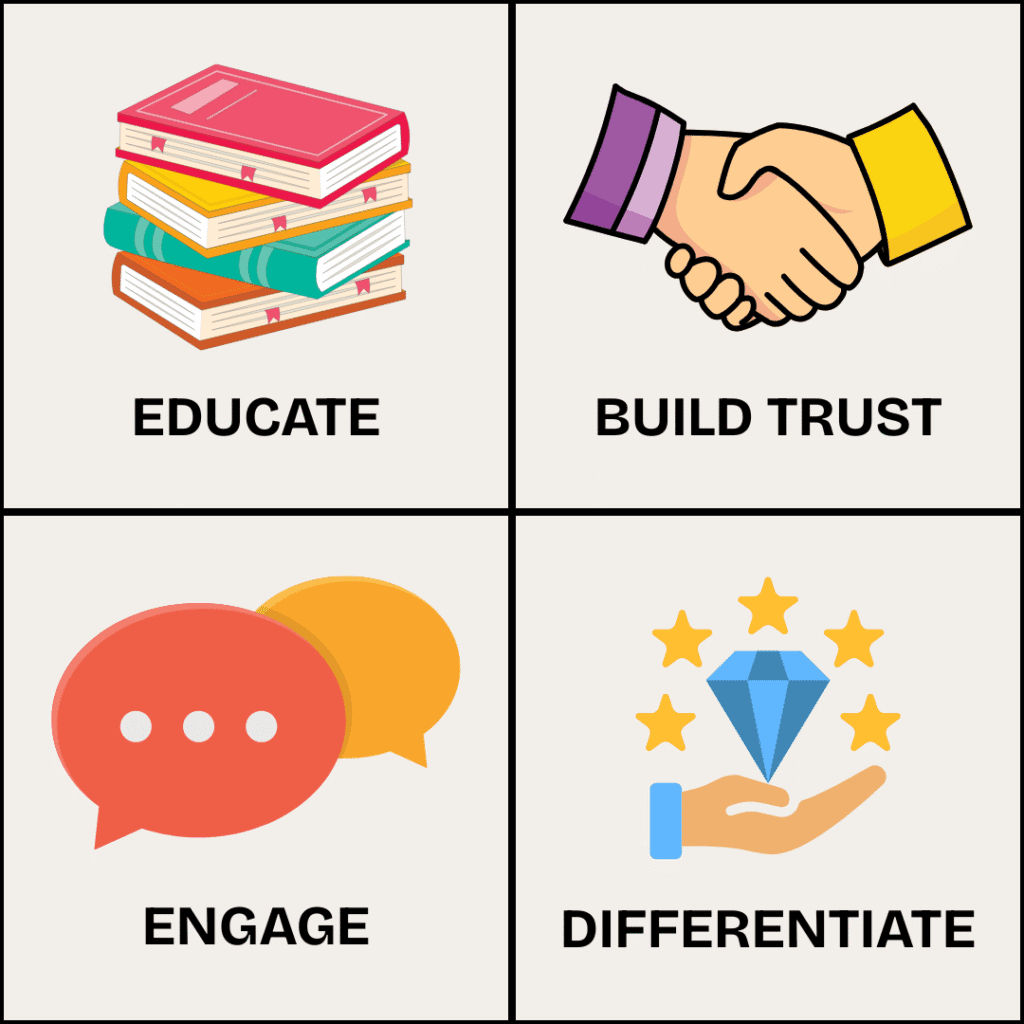
For wellness brands, this means:
- Educating your audience on topics that matter to their health and lifestyle.
- Building trust through authentic, evidence-based information.
- Engaging customers at different stages of their wellness journey.
- Differentiating your brand in a saturated market.
According to a 2023 Statista report, the global wellness market is valued at over $5.6 trillion and continues to grow annually. This growth translates into more players entering the space, making brand differentiation essential.
The Pillars of Successful Content Marketing for Wellness Brands
A successful content marketing strategy for wellness brands should be built on the following pillars:


1. Deep Audience Understanding
This is one of the most important foundations of content marketing for wellness brands because it ensures your messaging resonates.
Wellness is personal. Your content must resonate with your audience’s unique needs, concerns, and aspirations.
Action Steps:
- Conduct market research to identify your ideal client persona(s).
- Use tools like Google Analytics, social media insights, and surveys to gather data.
- Listen to online conversations in forums, social groups, and comment sections.
Example: A fitness studio targeting busy professionals could focus on time-efficient workouts, stress management, and nutrition for energy.
2. Evidence-Based Information
Trust is the cornerstone of content marketing for wellness brands, and it can only be built with credible sources.
In wellness, credibility is everything. As noted by the Mayo Clinic, misinformation can have serious health consequences. Your content should be grounded in reputable research, expert input, and transparent sourcing.
Action Steps:
- Cite authoritative sources like the World Health Organization (WHO), National Institutes of Health (NIH), and peer-reviewed journals.
- Collaborate with qualified professionals (nutritionists, doctors, therapists) for content creation.
- Avoid exaggerated claims and pseudoscience.


3. Storytelling and Emotional Connection
Storytelling is a powerful tool in content marketing for wellness brands because it humanizes your message.
Harvard Business Review emphasizes that storytelling builds emotional engagement, which drives customer loyalty. In wellness, stories of transformation, personal growth, and resilience resonate deeply.
Action Steps:
- Share real-life client success stories (with permission).
- Use video to humanize your brand.
- Weave your brand values into narratives.
4. Multi-Platform Distribution
Your audience consumes content on multiple platforms—blogs, social media, podcasts, YouTube, and email newsletters.
Action Steps:
- Repurpose content into multiple formats (e.g., turn a blog into a YouTube video, then into an Instagram carousel).
- Focus on platforms where your target audience is most active.
- Maintain consistent branding and messaging across all channels.

5. SEO Optimization
Search engine optimization ensures your content reaches people actively looking for your expertise. According to HubSpot, 68% of online experiences begin with a search engine.
Action Steps:
- Optimize for relevant keywords (like our focus keyword: Content Marketing for Wellness Brands).
- Use on-page SEO best practices: meta descriptions, header tags, alt text, and internal linking.
- Build backlinks from reputable wellness publications.
Types of Content That Work Best for Wellness Brands
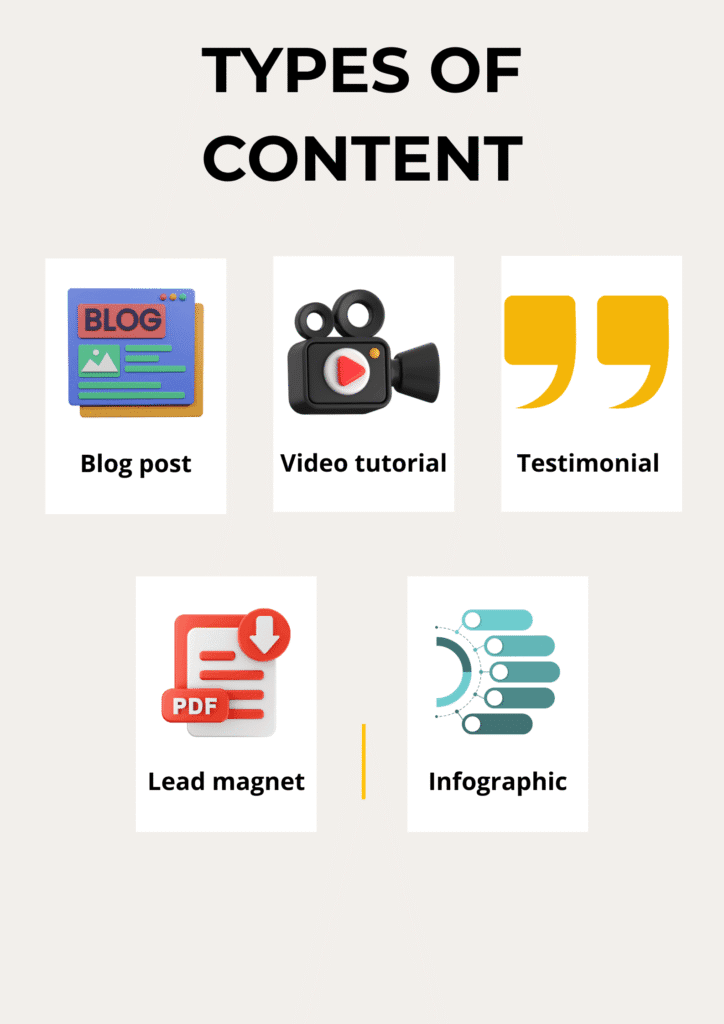
Not all content is created equal. In wellness marketing, certain formats tend to perform better due to the industry’s inherently personal and educational nature.
1. Educational Blog Posts
- Explain complex health topics in accessible language.
- Offer actionable tips and solutions.
- Example: “10 Proven Mindfulness Exercises to Reduce Stress” (Harvard Health Publishing-backed data).
2. Video Tutorials and Demonstrations
- Ideal for workouts, meditation, cooking, or therapy techniques.
- YouTube and TikTok have massive engagement potential in wellness niches.
3. Client Success Stories & Testimonials
- Build trust by showing real results.
- Include before-and-after scenarios where appropriate.
4. Free Resources & Lead Magnets
- E-books, guides, and checklists in exchange for email addresses.
- Example: “7-Day Plant-Based Meal Plan” backed by nutrition science.
5. Webinars and Live Q&A Sessions
- Establish authority by offering live interaction.
- Collaborate with experts for credibility.
6. Infographics
- Great for sharing health statistics, step-by-step processes, or quick tips.
- Easily shareable on Pinterest and Instagram.
Crafting a Wellness Content Strategy: Step-by-Step
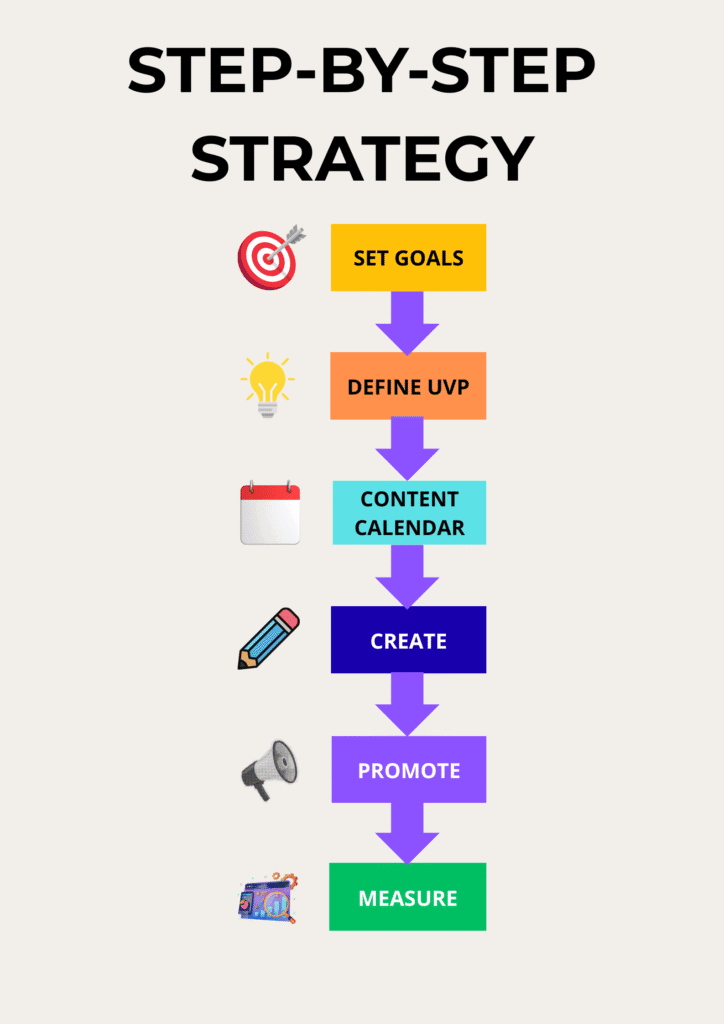
Step 5: Distribute and Promote
- Share content across relevant channels.
- Use paid ads strategically to boost high-performing posts.
Step 6: Measure and Optimize
- Track KPIs like organic traffic, engagement rate, conversion rate.
- Adjust strategy based on data insights.
Step 1: Set Clear Goals
Use SMART goals (Specific, Measurable, Achievable, Relevant, Time-bound). Examples:
- Increase website traffic by 25% in 6 months.
- Gain 500 new email subscribers in 3 months.
- Generate 20 qualified leads per month.
Step 2: Define Your Unique Value Proposition (UVP)
What sets you apart from competitors? It could be:
- Specialized expertise (e.g., sports injury recovery)
- Unique methodologies
- Cultural or community focus
Step 3: Develop a Content Calendar
- Plan content around seasonal trends (e.g., New Year fitness goals, Mental Health Awareness Month).
- Use tools like Trello, Asana, or Google Sheets to manage schedules.
Step 4: Produce High-Quality Content
- Plan content around seasonal trends (e.g., New Year fitness goals, Mental Health Awareness Month).
- Use tools like Trello, Asana, or Google Sheets to manage schedules.
Case Studies: Wellness Brands Winning with Content Marketing
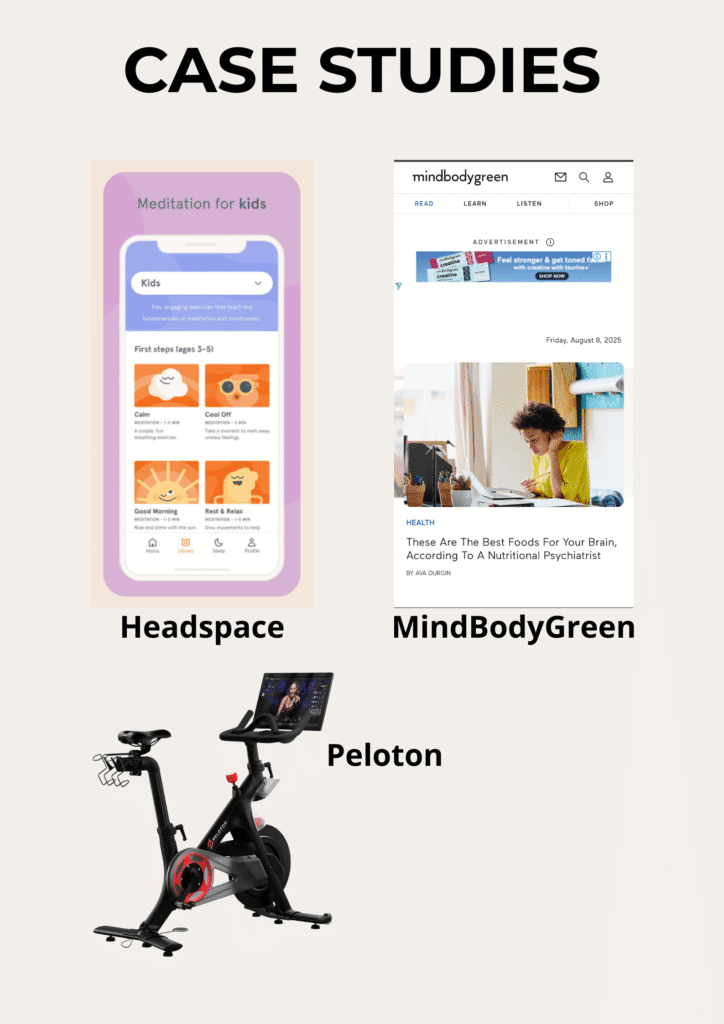
Headspace: Meditation Made Mainstream
Headspace leveraged animated explainer videos, guided meditations, and scientific research to make mindfulness accessible. They combined engaging visuals with authoritative content, leading to millions of users worldwide.
Mindbodygreen: Holistic Lifestyle Authority
Starting as a blog, Mindbodygreen became a leading wellness media brand through diverse content formats, including podcasts, courses, and community events.
Peloton: Fitness and Lifestyle Content
Peloton doesn’t just sell exercise equipment—they create a lifestyle. Through live classes, instructor-led social media posts, and exclusive music partnerships, they foster deep engagement.
Avoiding Common Pitfalls in Wellness Content Marketing
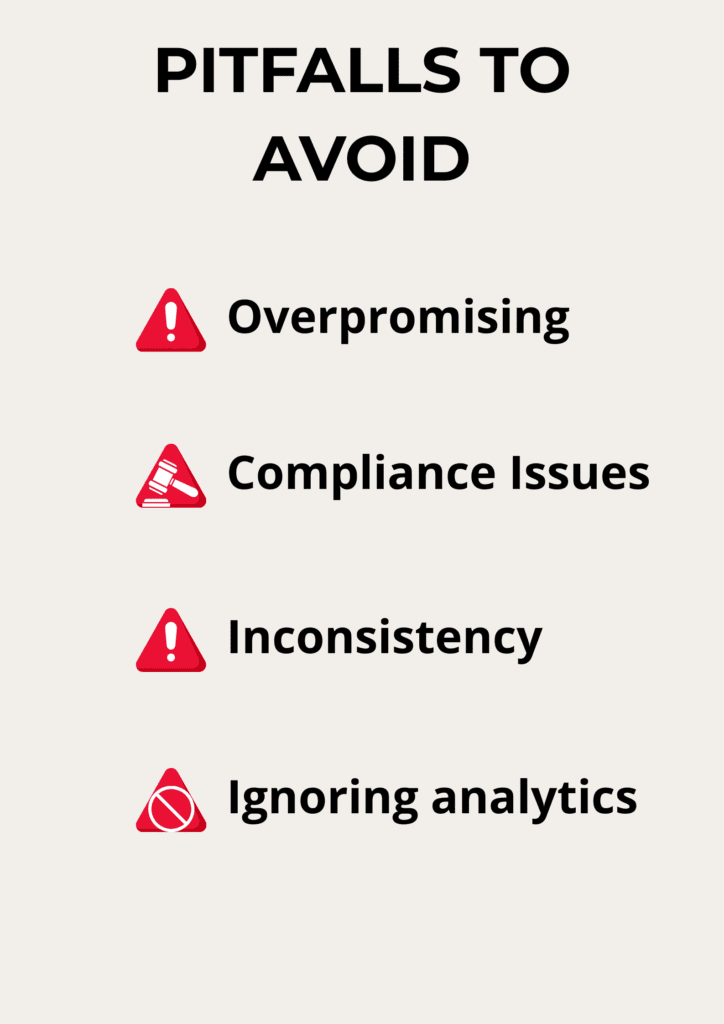
- Overpromising Results
- Wellness is personal; avoid one-size-fits-all claims.
- Neglecting Compliance
- Ensure adherence to local advertising laws and health regulations.
- Inconsistent Posting
- Infrequent updates can erode audience trust.
- Ignoring Analytics
- Data should drive your content decisions.
The Future of Wellness Content Marketing
Emerging trends shaping the industry include:
- Personalized Content: AI-driven recommendations based on user behavior.
- Interactive Wellness Tools: Quizzes, symptom checkers, and trackers.
- Virtual Reality Experiences: Guided meditations, fitness classes in VR.
- Sustainability-Focused Content: Aligning wellness with environmental consciousness.

Conclusion: Making Content Marketing Work for Your Wellness Brand

Content marketing is not a quick fix—it’s a long-term investment in your brand’s authority and trustworthiness. By combining audience insight, credible information, emotional storytelling, and strategic distribution, you can position your wellness brand as a trusted guide in your audience’s health journey.
Start small, measure results, and scale what works. In an industry built on trust and transformation, authentic, well-crafted content will always be your most valuable asset.
Boost Your Wellness Brand’s Visibility — Starting Today
Get a FREE Online Presence Audit tailored for your wellness business. Discover how to attract more clients, grow your authority, and stand out in a crowded market.
Book My Free Audit NowReferences:
- Content Marketing Institute. What is Content Marketing?
- Statista. Global Wellness Market Size.
- Mayo Clinic. Reliable Health Information.
- Harvard Business Review. The Irresistible Power of Storytelling as a Strategic Business Tool. https://hbr.org/
- HubSpot. The Ultimate List of Marketing Statistics for 2024.
- Edelman. Edelman Trust Barometer.