
Tech is improving patient experience in ways we couldn’t imagine just a few years ago. In today’s increasingly digital and connected world, healthcare and wellness sectors are undergoing a monumental shift—not just in how care is delivered, but how it’s experienced. No longer solely defined by clinical outcomes, healthcare is now also shaped by how it is delivered, accessed, and experienced. Patients are no longer just recipients of care—they are discerning consumers with high expectations. They demand the same level of service from healthcare providers that they receive from tech companies and online retailers: seamless digital experiences, rapid responsiveness, and personalized care that meets their unique needs.
This transformation has compelled healthcare organizations to rethink how they operate and engage with patients. At the heart of this evolution is Information Technology (IT). No longer limited to administrative support, IT is now central to diagnostics, treatment planning, communication, and patient empowerment. From Electronic Health Records (EHRs) and telemedicine to Artificial Intelligence (AI), wearable devices, cloud computing, blockchain for data security, and mobile health (mHealth) applications, IT innovations are redefining the provider-patient relationship.
This article explores the role of IT solutions in enhancing the patient experience across the full spectrum of care. It discusses the evolving expectations of modern patients, evaluates the benefits and challenges of digital tools, and provides strategic insights for healthcare leaders seeking to build resilient, patient-focused systems. Combining global evidence with local perspectives, particularly from the Philippines, this guide serves as a roadmap for implementing effective digital strategies that make healthcare more inclusive, efficient, and compassionate.
How Tech Is Improving Patient Experience by Shaping New Expectations
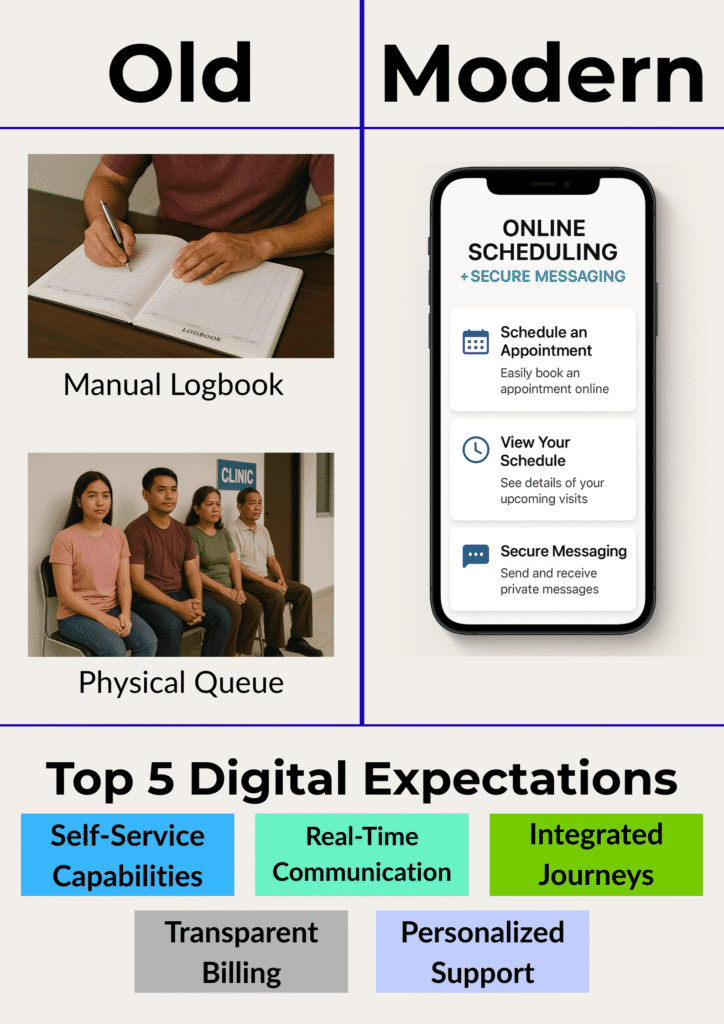
The modern patient is a tech-savvy, empowered consumer. Their expectations are shaped by user-friendly platforms like Amazon, Grab, and Netflix, and they bring these expectations to their healthcare experiences.
A 2020 Deloitte survey found that 60% of patients expect healthcare providers to offer digital tools for communication, record access, and appointment scheduling. These expectations are rapidly expanding across all age groups, including older adults.
Key Patient Expectations
- Self-Service Capabilities: Online scheduling, access to records, and prescription refills.
- Real-Time Communication: Prompt support via chat, video, or messaging systems.
- Integrated Journeys: Seamless transitions between diagnostics, treatment, and follow-ups.
- Transparent Billing: Clear, itemized invoices with secure payment options.
- Personalized Support: Health guidance tailored to individual history and needs.
Providers that meet these expectations empower patients to actively participate in their care. With tech improving patient experience across all age groups, these expectations are no longer optional—they are the new standard of care.
Electronic Health Records (EHRs): Standardizing and Enhancing Care
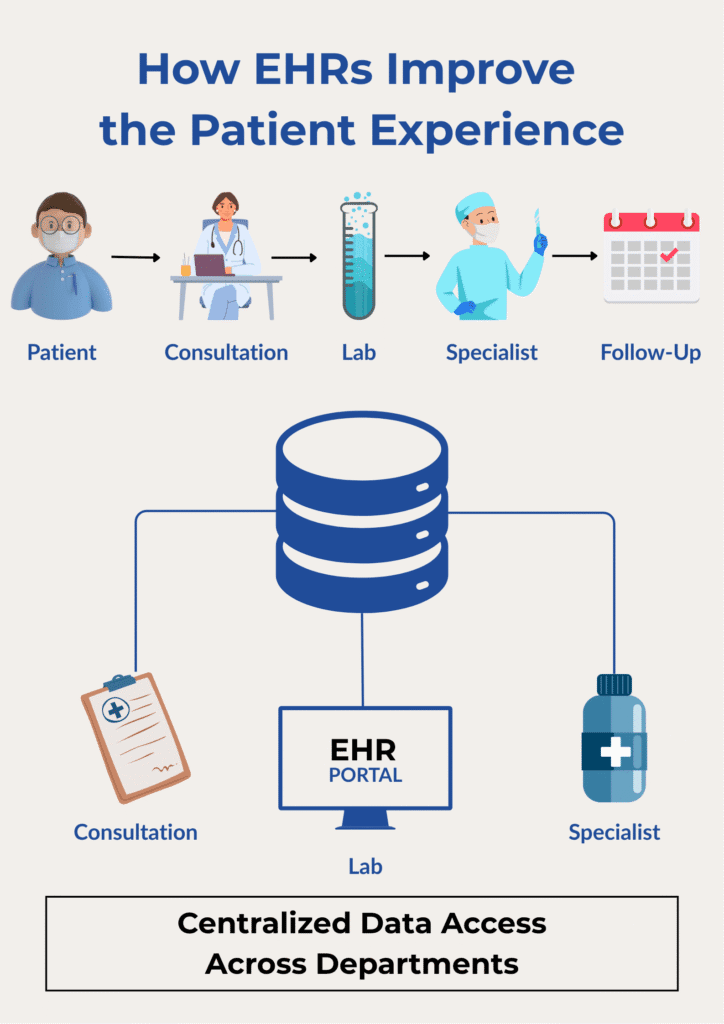
Electronic Health Records (EHRs) are a prime example of technology improving patient experience through data-driven, seamless, and coordinated care. EHRs are digital systems that compile comprehensive patient data, including medical histories, prescriptions, test results, and treatment plans. They support a longitudinal view of a patient’s health, enabling coordinated, data-driven care.
A 2020 Deloitte survey found that 60% of patients expect healthcare providers to offer digital tools for communication, record access, and appointment scheduling. These expectations are rapidly expanding across all age groups, including older adults.
Benefits for Patients
- Continuity and Accessibility: Providers across facilities can access up-to-date records.
- Reduced Redundancy: Minimizes repeated tests and administrative errors.
- Patient Engagement: Portals allow patients to view test results and treatment summaries.
- Efficiency: Streamlined processes for prescriptions, diagnostics, and referrals.
Globally, EHRs have improved patient satisfaction. In the Philippines, the Department of Health’s National EHR Roadmap promotes digital integration across barangay health centers and local health units.
Telehealth: Expanding Access and Flexibility
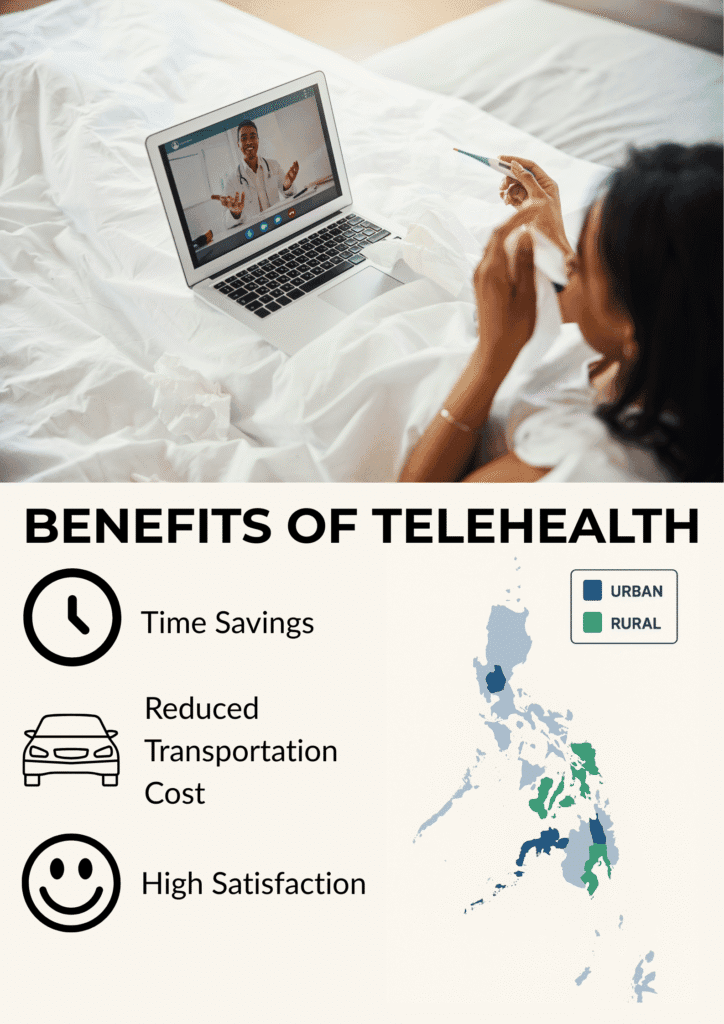
Telehealth represents one of the most impactful ways of tech improving patient experience by removing barriers to access. Telehealth offers remote consultations via video conferencing, chat, or mobile apps. Originally scaled during the COVID-19 pandemic, it has since become an essential care modality.
Telehealth Advantages
- Accessibility: Reaches patients in remote or underserved areas.
- Convenience: Reduces travel and waiting times.
- Adherence: Easier follow-ups encourage treatment compliance.
- Comfort: Supports mental health through private, stigma-free channels.
In the Philippines, platforms like KonsultaMD offer subscription-based telehealth services, integrating labs, pharmacies, and insurance providers for comprehensive care.
mHealth: Empowering Daily Self-Management
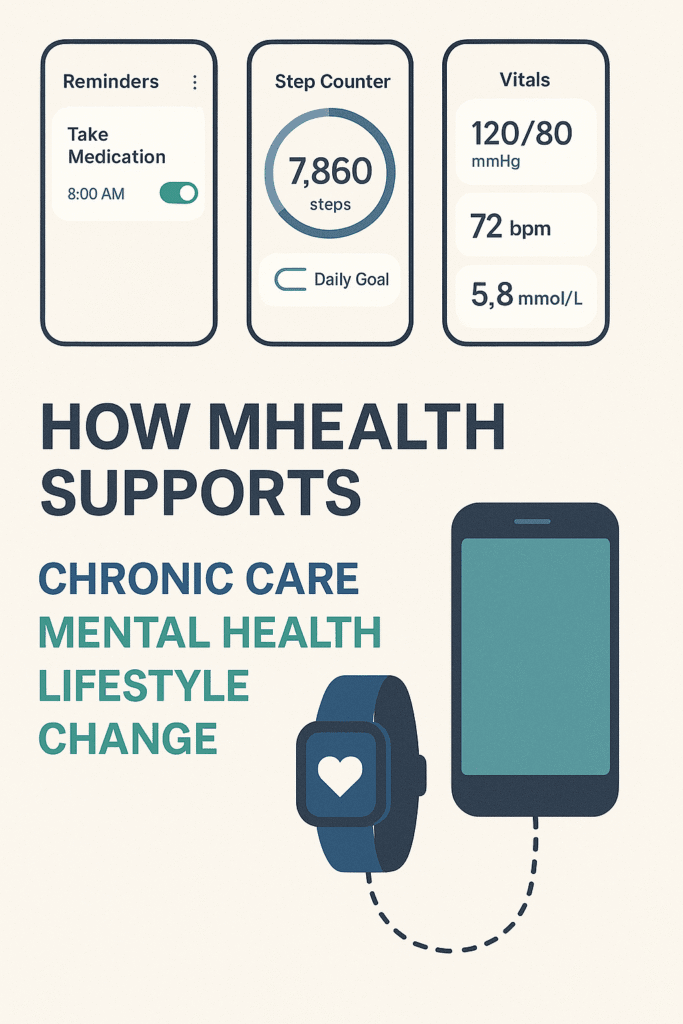
mHealth applications help patients monitor and manage their health independently. They support disease prevention, lifestyle changes, and medication adherence.
How mHealth Benefits Patients
- Integration with Wearables: Syncs with Fitbit, Apple Watch, etc.
- Customized Reminders: Promotes healthy behaviors and appointments.
- Mental Health Support: Tools for stress management and mood tracking.
- Health Data Sharing: Exports metrics to healthcare providers.
Accenture reports that mHealth app users are more likely to engage in preventive care and follow treatment plans. In areas with limited healthcare access, mHealth offers scalable solutions. As mHealth becomes more widespread, technology is improving patient experience by enabling self-care and healthier routines.
Patient Portals: Bridging the Information Gap
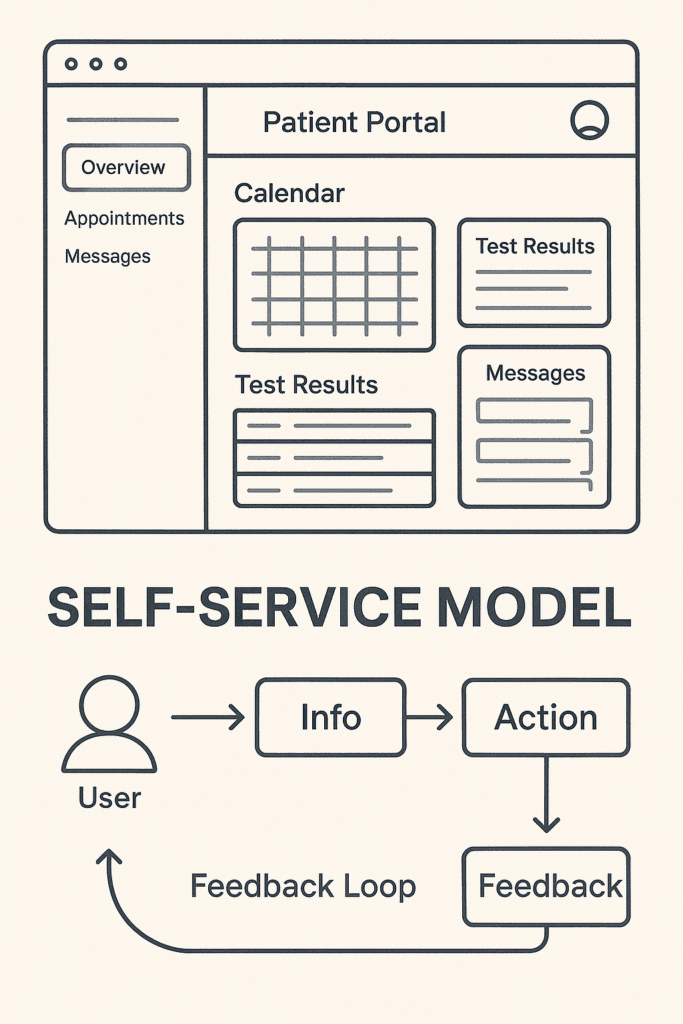
Patient portals are secure digital platforms for managing care-related tasks and communications. They give patients autonomy and improve transparency. These platforms are crucial examples of tech improving patient experience through transparency and control.
Portal Features
- 24/7 Access: View health records and results any time.
- Secure Messaging: Communicate with providers outside of appointments.
- Billing Tools: Online payments and insurance coordination.
- Appointment Management: Book, reschedule, or cancel easily.
The Journal of Medical Internet Research found that regular portal users are more satisfied and informed.
Artificial Intelligence (AI): Enhancing Precision and Prediction
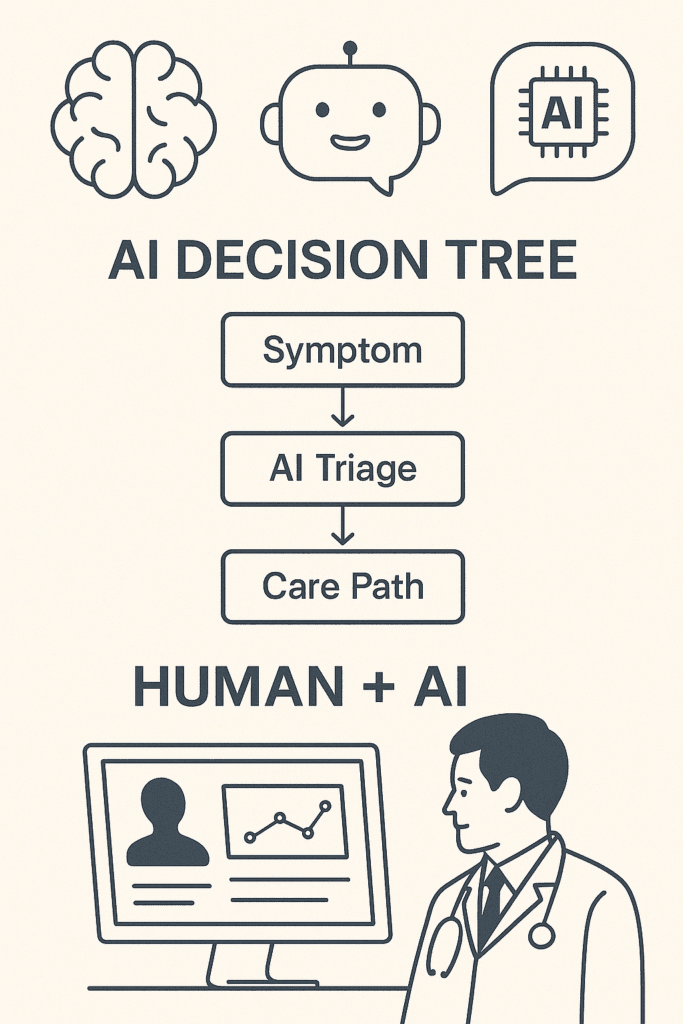
AI is another transformative force in technology improving patient experience, especially through predictive care and triage. AI leverages algorithms to support diagnosis, risk assessment, and administrative tasks. It improves efficiency while personalizing patient care.
AI in Action
- Triage Chatbots: Provide symptom assessments and recommendations.
- Imaging Analysis: Detects conditions like tumors with high accuracy.
- Risk Modeling: Predicts readmissions or complications.
- Task Automation: Handles scheduling and billing processes.
AI complements, rather than replaces, human expertise, especially when guided by ethical standards and clinician oversight.
Remote Patient Monitoring (RPM): Continuous, Home-Based Care
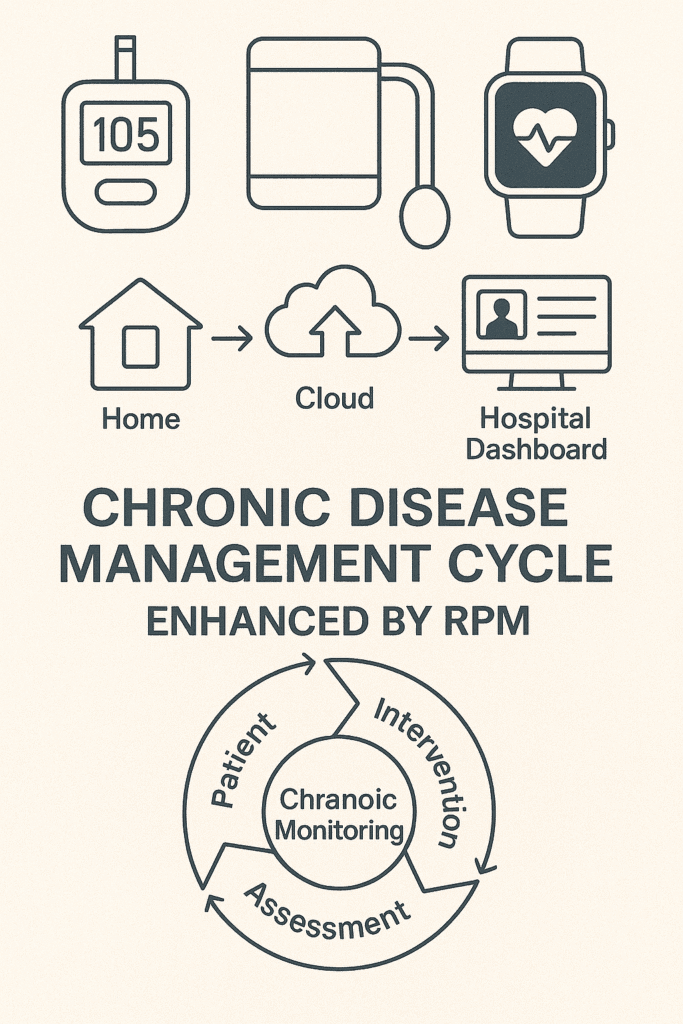
RPM technologies allow providers to monitor patients’ health from their homes, collecting real-time data to guide timely interventions. RPM exemplifies how tech is improving patient experience beyond clinical walls and into the home.
Examples of RPM Devices
- Smart BP Monitors: Track trends and alert providers.
- CGMs: Help manage diabetes more proactively.
- Respiratory Trackers: Support asthma or COPD patients.
- Fall Detectors: Enhance elderly care and response times.
In the Philippines, where healthcare access varies, RPM extends care to rural areas without compromising quality.
Cybersecurity: Protecting Data and Building Trust
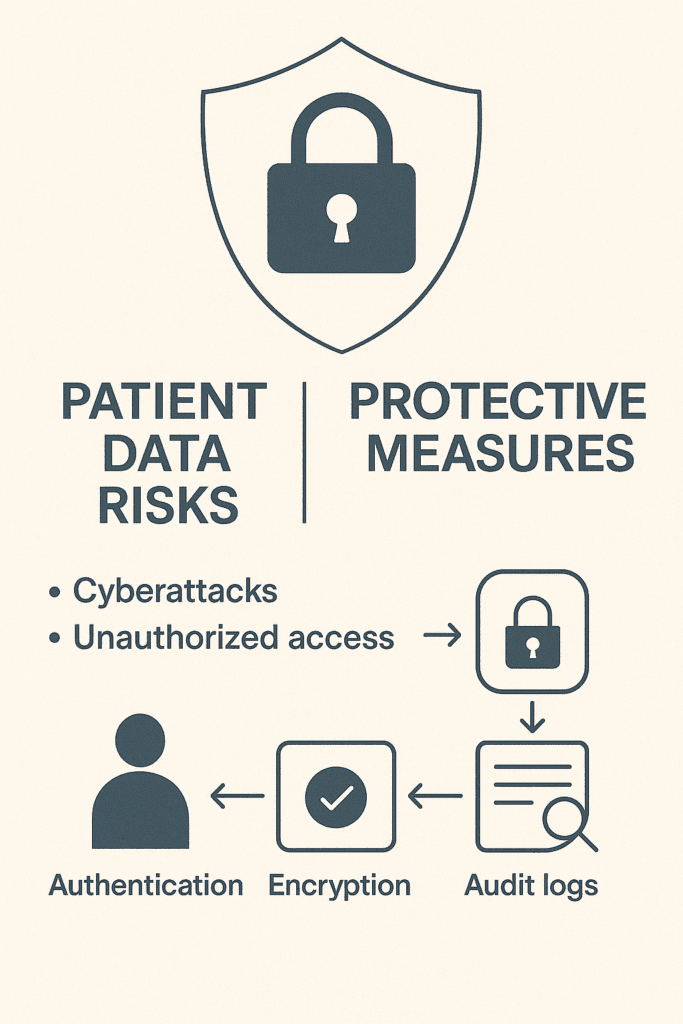
Digital health’s success depends on secure platforms. Protecting patient data is critical to maintaining trust and legal compliance. Protecting patient data is essential to building trust—and therefore essential to tech improving patient experience.
Best Practices
- Multi-Layered Security: Firewalls, antivirus, and intrusion detection systems.
- Regular Audits: Identify and address vulnerabilities.
- Staff Training: Equip teams to recognize threats like phishing.
- Clear Privacy Policies: Ensure patients understand data use.
Compliance with regulations like the Philippine Data Privacy Act is essential.
Humanizing Technology: Keeping Care Compassionate
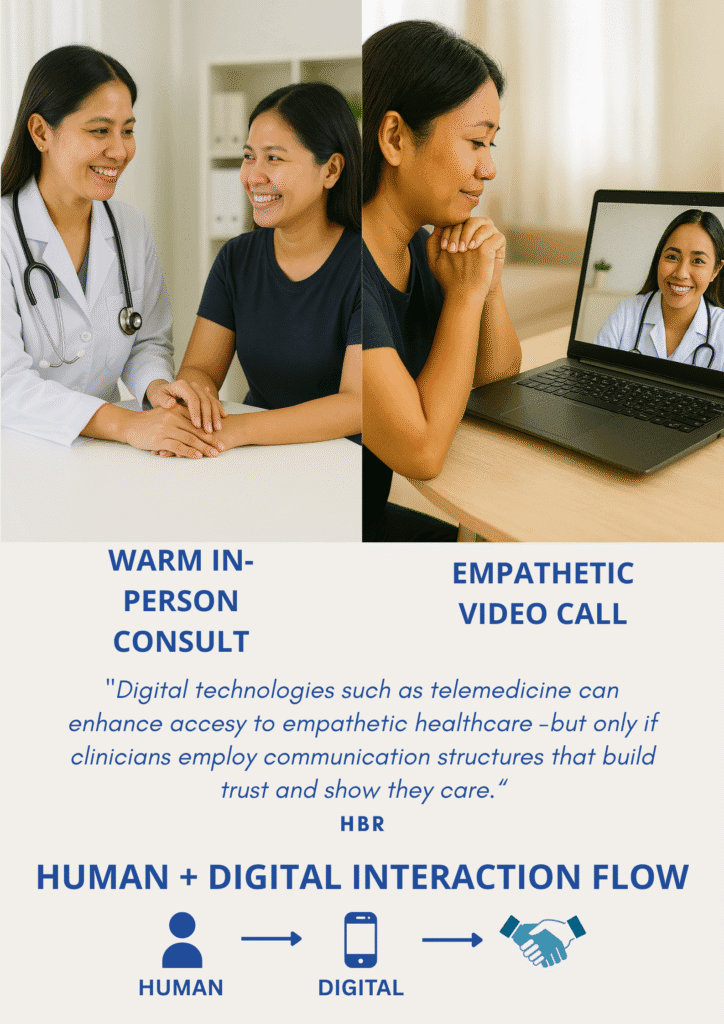
Even as digital tools proliferate, empathy remains central to healthcare. Thoughtful design ensures that technology supports—not replaces—human connection. Only when used mindfully does technology improve the patient experience without replacing empathy.
Strategies to Maintain the Human Touch
- Provider Training: Enhance virtual bedside manner.
- User-Centered Design: Ensure intuitive, inclusive platforms.
- Personalized Messaging: Contextual and empathetic communication.
- Patient Feedback: Use reviews to guide improvements.
Technology should enable more meaningful interactions, not reduce them.
Implementation Realities: Overcoming Practical Barriers
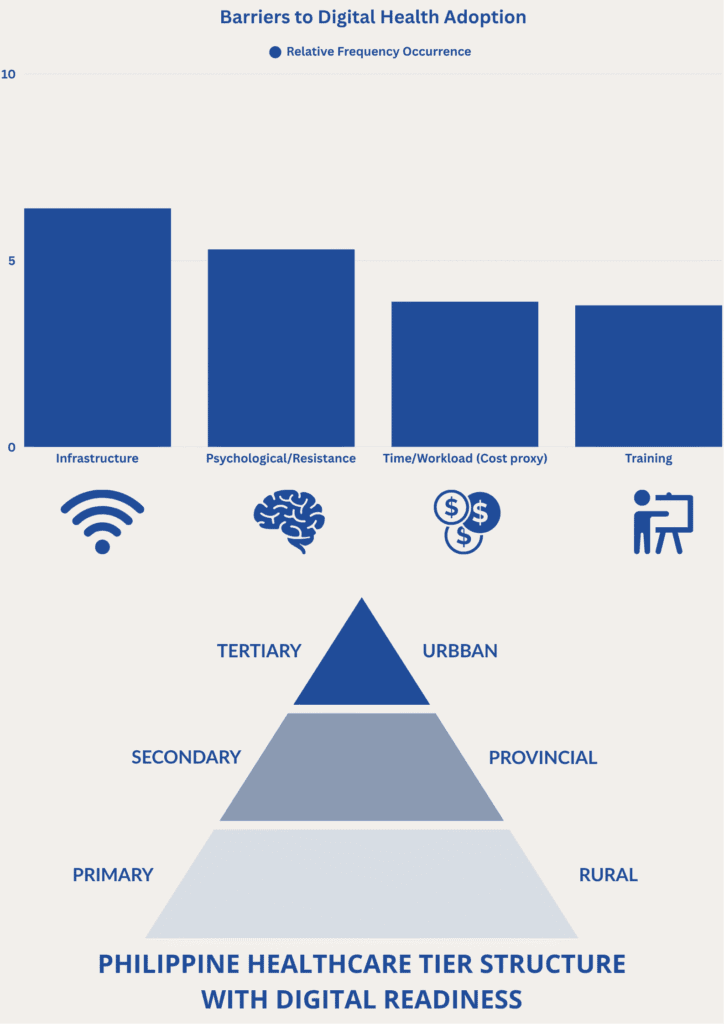
Adopting IT solutions presents logistical and cultural challenges that must be proactively managed.
Common Challenges
- Infrastructure Gaps: Especially in rural clinics.
- Training Demands: Staff require support to adapt.
- System Incompatibility: Integration issues with existing platforms.
- Cultural Resistance: Mistrust of digital tools by some users.
Successful implementation hinges on strong leadership, collaborative planning, and sustained education efforts.
Conclusion: The Future of Patient-Centered Digital Healthcare
The integration of IT into healthcare is reshaping how care is delivered and experienced. With the right tools and strategies, digital transformation can empower patients, reduce inefficiencies, and build more resilient systems.
Healthcare organizations—particularly in dynamic settings like the Philippines—can leverage these solutions to bridge disparities in care, enhance outcomes, and redefine the provider-patient relationship. The key lies in blending technological innovation with empathy, ensuring that every digital interaction supports holistic, humane healthcare.
Let’s Explore How We Can Help You Digitally Transform Your Practice
Schedule a free consultation with our team to identify the right tools, systems, and digital strategies that fit your healthcare practice. Whether you’re just starting out or scaling up, we’ll guide you every step of the way.
Book Your Free ConsultationResources
- Deloitte (2020). “2020 Survey of US Health Care Consumers.”
- Health Affairs (2021). “Electronic Health Records and Patient Satisfaction.”
- McKinsey & Company (2021). “Telehealth: A Quarter-Trillion-Dollar Post-COVID-19 Reality?”
- Accenture (2020). “Digital Health Technology Vision.”
- Journal of Medical Internet Research (2021). “Impact of Patient Portals on Engagement.”
- Harvard Business Review (2020). “Technology Alone Won’t Improve the Patient Experience.”
- Centers for Medicare and Medicaid Services (CMS). “Remote Patient Monitoring Services.”
- Philippine Department of Health (2023). “National EHR Roadmap.”
- Data Privacy Act of 2012. Republic Act No. 10173.