Digital Transformation for wellness clinics is no longer a luxury—it’s a necessity. In today’s healthcare and wellness environment, patients expect the same convenience, personalization, and efficiency they experience when booking travel, ordering groceries, or shopping online. Clinics that fail to adopt modern technologies risk falling behind competitors, losing patient trust, and missing out on growth opportunities. According to a 2023 McKinsey & Company report, healthcare organizations that embrace digital solutions can improve patient satisfaction by up to 20% and boost operational efficiency by as much as 30%. For wellness clinics—whether focused on integrative medicine, alternative therapies, or holistic health—digital transformation strengthens patient relationships, ensures sustainability, and secures long-term success.
This guide explores five actionable steps wellness clinics can take to achieve successful digital transformation. Each step is supported by practical strategies, case studies, and reputable research. By following these steps, wellness providers can transition smoothly into a new era of patient-centered care.

Step 1: Build a Strong Online Presence for Digital Transformation in Wellness Clinics
A strong digital presence is the foundation of transformation. Patients almost always begin their wellness journey online—searching for providers, browsing websites, checking reviews, and comparing services before booking. If your clinic does not appear in search results or presents an outdated digital image, you are essentially invisible to potential patients.
Action Points:
- Website Development: Create a professional, mobile-responsive website with fast loading speeds. Google reports that 53% of mobile users abandon a site that takes longer than three seconds to load. Include service descriptions, practitioner bios, pricing details, and easy navigation. Live chat features can answer patient questions instantly.
- Local SEO Optimization: Optimize your website and Google Business Profile for local searches such as “massage therapy near me” or “wellness clinic in [city].” Ensure accurate citations for name, address, and phone number (NAP) and update office hours across platforms.
- Reputation and Review Management: Encourage satisfied patients to leave reviews on Google, Healthgrades, and social platforms. BrightLocal’s 2023 survey revealed that 87% of consumers read online reviews before choosing a local business. Respond to reviews professionally, both positive and negative.

- Content and Visual Branding: Use consistent branding across all channels. Invest in professional photography of your clinic, staff, and services. Cohesive visuals build credibility.
- Accessibility: Make your site accessible (WCAG-compliant). Use alt-text on images and legible font sizes to ensure inclusivity.
Example: A holistic clinic in Singapore created landing pages optimized for telehealth acupuncture. Within six months, the clinic saw a 40% increase in qualified leads and booked appointments.

Step 2: Implement Telehealth and Virtual Care


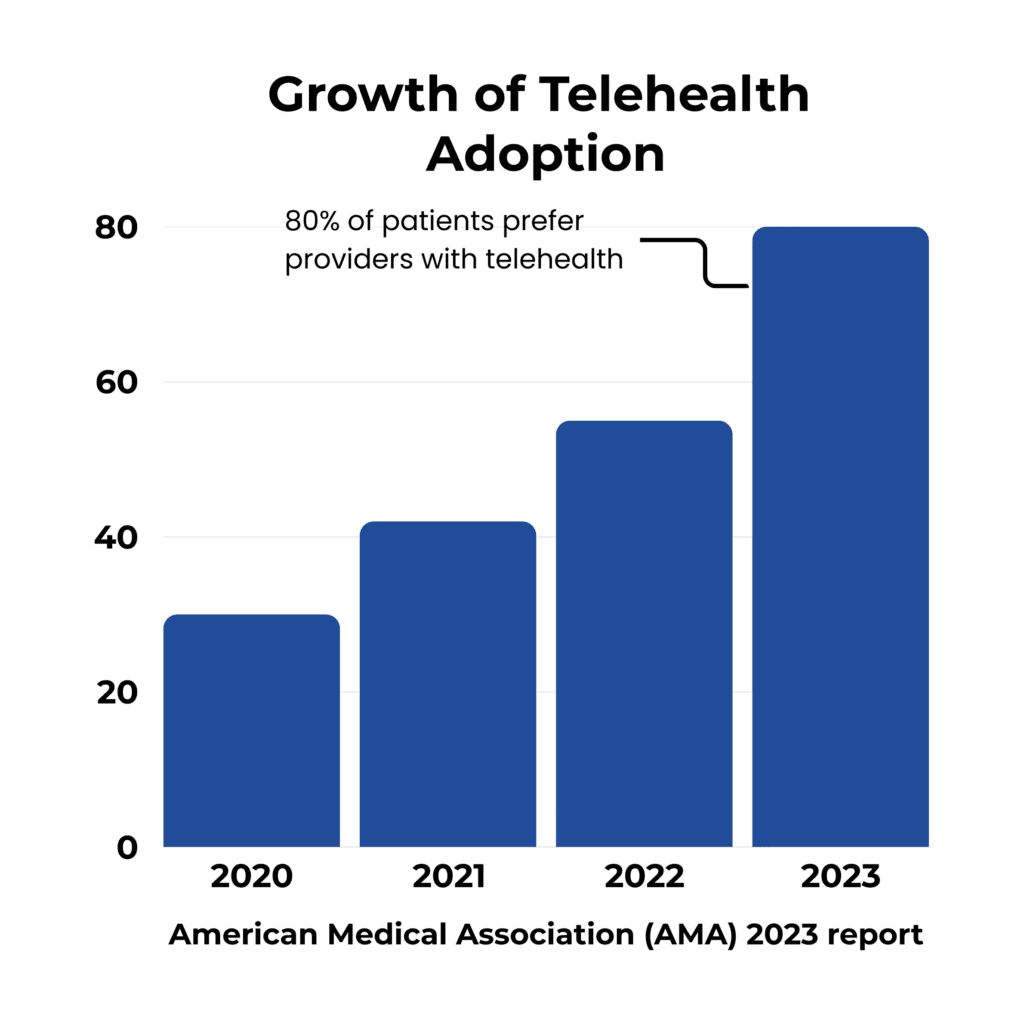
Telehealth has evolved from a temporary pandemic solution into a permanent pillar of modern healthcare. Patients increasingly expect virtual care options for convenience and accessibility. According to the American Medical Association (AMA), 80% of patients prefer providers that offer telehealth services. For wellness clinics, this could include online consultations for nutrition, stress management, lifestyle coaching, and follow-up care.
Action Points:
- Secure Telehealth Platforms: Choose HIPAA-compliant or regionally compliant platforms such as Doxy.me, Zoom for Healthcare, or integrated EMR modules. Protecting patient privacy is critical.
- Expanded Care Options: Offer telehealth services for coaching, meditation, dietary counseling, and follow-ups. This widens access, particularly for patients in remote areas.
- Seamless Integration: Ensure telehealth sessions sync with electronic health records (EHRs) for continuity of care and reduced administrative tasks.
- Hybrid Flexibility: Combine in-person visits with virtual follow-ups. This model balances accessibility and thorough care.
- Scalable Pricing Models: Create tiered service packages, such as bundled virtual wellness coaching, to meet patient preferences.
Example: A functional medicine clinic in California reduced no-show rates by 25% after offering flexible video consultations, saving costs and improving patient satisfaction.
Step 3: Automate Patient Engagement
Patient engagement must extend before and after the appointment. Automation tools help clinics manage repetitive tasks while ensuring patients stay informed and supported.
Action Points:
- Online Scheduling: Integrate booking systems like Amelia, Calendly, or Zocdoc with your website and social media channels. This reduces scheduling conflicts and improves patient convenience.
- Automated Communication: Send appointment reminders, follow-up messages, and wellness tips via SMS and email. Accenture reports that 77% of patients value the ability to book, cancel, and reschedule appointments online.
- Segmentation and Personalization: Use CRM systems such as HubSpot, Salesforce Health Cloud, or Mailchimp to personalize communications. For example, patients who book massage therapy sessions can receive exclusive stretching tutorials.
- Loyalty and Retention Programs: Automate loyalty rewards with discounts, referral credits, or free workshops after a set number of visits.
- Seasonal Marketing Campaigns: Automate promotions such as discounted detox programs before the holidays or stress management workshops in January.
Example: A spa and wellness center in Manila introduced automated reminders and segmented campaigns. Within three months, they reduced no-shows by 40% and increased rebookings by 25%, significantly boosting revenue.
Step 4: Adopt Data-Driven Decision Making
Data is the compass of digital transformation. Without it, clinics risk relying on assumptions instead of evidence. Tracking patient behavior, satisfaction, and service performance helps clinics refine their offerings.
Action Points:
- Website Analytics: Use Google Analytics to monitor traffic, user journeys, and conversion rates. Identify high-performing services and optimize accordingly.
- Business Intelligence Tools: Use platforms such as Power BI or Tableau to track trends like appointment frequency, peak times, and revenue per service. Data visualization enables faster decision-making.
- Patient Feedback: Gather insights with surveys via SurveyMonkey, Typeform, or in-app tools. Ask about wait times, staff professionalism, and treatment satisfaction.
- Financial Tracking: Implement clinic management software for billing, invoicing, and revenue monitoring. This helps identify underperforming services and uncover growth opportunities.
- Predictive Insights: Leverage predictive analytics to anticipate patient needs, treatment outcomes, and demand trends.
- Compliance and Security: Safeguard sensitive data by adhering to HIPAA, GDPR, or regional regulations. Use encryption and strict access controls.
Example: A wellness center in London analyzed feedback and found high demand for mindfulness workshops. By offering weekly sessions, they increased quarterly revenue by 18% and attracted younger patients.
Step 5: Enhance Patient Education through Digital Content
Patient education fosters trust and empowers individuals to take charge of their wellness. By sharing credible, accessible information, clinics strengthen their authority and boost retention.
Action Points:
- Blogs and Content Hubs: Publish articles on topics like “Herbal Remedies for Stress Relief” or “Breathing Exercises for Anxiety.” Optimize for SEO.
- Video Content: Create short educational videos for TikTok, Instagram Reels, or YouTube. Tutorials, Q&A sessions, and behind-the-scenes content humanize your clinic.
- Ebooks and Whitepapers: Offer downloadable resources such as a “Holistic Nutrition Starter Guide” in exchange for email subscriptions.
- Webinars and Workshops: Host interactive online sessions with practitioners. Recordings can be repurposed as micro-content.
- Email Newsletters: Send regular updates with wellness tips, patient stories, and clinic news.
- Podcasting: Launch a podcast featuring expert discussions on integrative medicine and wellness trends.
Evidence: Edelman’s 2023 Trust Barometer shows that 64% of consumers trust healthcare providers more when they share educational content. Trust-driven content strengthens loyalty and referrals.
Example: A chiropractic clinic in the U.S. launched a YouTube channel with posture and lifestyle tips. Within a year, inquiries doubled, and the channel became a steady source of new patients.
Overcoming Challenges
Although digital transformation offers immense rewards, challenges remain:
- Cost Considerations: Digital tools range from affordable platforms like WordPress and Mailchimp to high-cost EMRs. Prioritize investments based on impact.
- Staff Training: Provide staff with training to effectively use new tools. Partnering with consultants or hosting workshops accelerates adoption.
- Patient Resistance: Older patients may hesitate to use digital tools. Maintain hybrid systems and offer assistance to less tech-savvy users.
- Cybersecurity Risks: Increased digitization raises data security concerns. Protect patient information with encryption, secure hosting, regular backups, and staff training.
Deloitte highlights that phased implementation—starting with online presence, then telehealth, followed by automation and analytics—is more sustainable than attempting a complete overhaul at once.
Conclusion
For wellness clinics, digital transformation for wellness clinics is not about replacing the human touch but enhancing it. Strategic adoption of technology allows clinics to streamline operations, expand reach, and deliver personalized care. By building a strong online presence, implementing telehealth, automating engagement, using data-driven insights, and sharing educational content, clinics can position themselves as trusted, innovative leaders.
This shift ensures clinics remain competitive while staying true to their mission: helping patients achieve balance, healing, and holistic wellness. Ultimately, digital transformation empowers providers and patients alike, creating a healthcare ecosystem that is accessible, efficient, and deeply human.

References
- “Digital transformation: Health systems’ investment priorities” — McKinsey
- Accenture Digital Health Technology Vision 2022 (PDF)
- BrightLocal Local Consumer Review Survey 2023
- AMA Digital Health Research (PDF)
- “Consumer Adoption of Digital Health in 2022” via ConnectWithCare / Rock Health
- Mobilizing Data for Operational Efficiency in Health Care (AHA)
- Digital transformation in healthcare: Have we gone off the rails? (APJON, 2024)
Transform Your Clinic with a Stronger Online Presence
Your patients are searching online — let’s make sure they find you. Book a free consultation today and discover actionable steps to grow your wellness practice.
Book My Free Consultation